



The Ultimate Guide to Alif Fire Tube Boilers
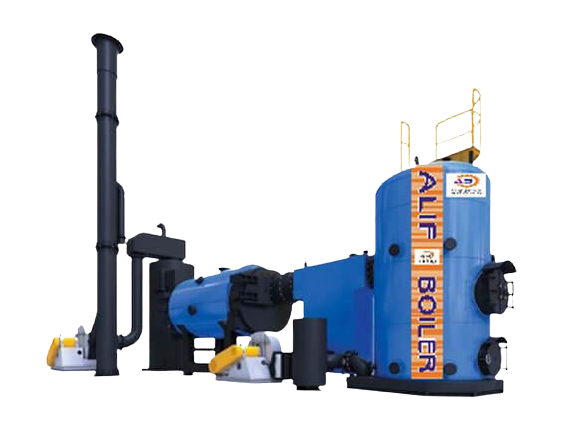
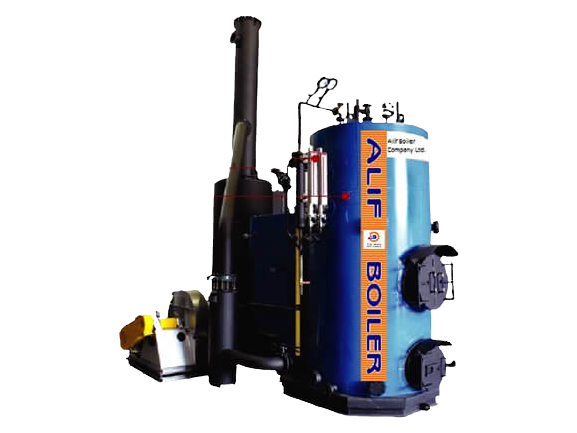
Alif Boiler Company Ltd. specializes in the manufacture and supply of “fire tube boiler” systems. Our team of highly skilled engineers and technicians work tirelessly to ensure that our boilers are of the highest quality and meet all industry standards. With years of experience in the industry, we have established ourselves as a trusted name in the market, offering a wide range of “fire tube boiler” solutions to meet the needs of our customers. Whether you require a small capacity boiler or a large industrial-scale system, we have the expertise and resources to deliver the right solution for you. Our commitment to quality, reliability, and customer satisfaction has made us a preferred choice for businesses across various industries. Choose Alif Boiler Company Ltd. for your “fire tube boiler” needs and experience unparalleled performance and efficiency. This post is sponsored by our partners.
A fire-tube boiler is one of the most classic and reliable designs in thermal engineering. In this system, the roles of fire and water are exactly what the name implies: the fire (hot combustion gases) is on the inside of the tubes, while the water surrounds the outside of the tubes.
Here is a detailed breakdown of how it works, its core components, and how it compares to other systems.
How It Works (The Process)
Combustion: Fuel (such as coal, oil, or gas) is burned inside a furnace or firebox, generating high-temperature combustion gases.
Heat Transfer: These hot gases travel through a series of long steel tubes (the “fire tubes”).
Steam Generation: The tubes are completely submerged in a large outer shell filled with water. As the intense heat from the gases passes through the tube walls, it boils the surrounding water, turning it into steam.
Exhaust: After passing through the tubes and transferring their thermal energy to the water, the cooled gases are directed out through a smokestack or chimney.
Steam Collection: The generated steam rises to the top of the boiler shell, where it is collected and piped out for industrial processes, heating, or driving machinery.
Major Component Parts
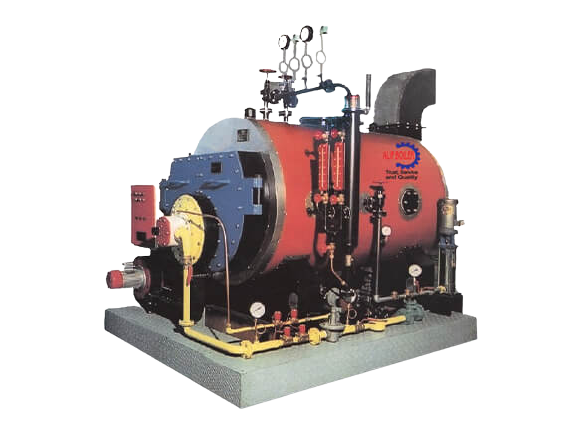
Shell: The outer pressure vessel that contains the water and the tube bundle.
Furnace (Firebox): The chamber where the actual fuel combustion takes place.
Tubes (Flues): The pathways that channel the hot gases through the water.
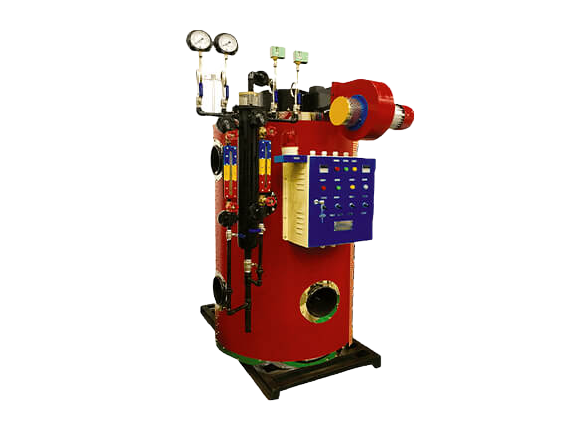
Water Level Indicator & Safety Valves: Critical safety mechanisms to ensure the boiler doesn’t run dry (which causes overheating) or build up catastrophic pressure.
Types of Fire-Tube Boilers
Fire-tube boilers are often categorized by the number of times the hot gases pass through the water shell before exiting:
Single-Pass: Gases go straight through the tubes once and out the chimney (e.g., classic Cornish or Cornish-style boilers).
Multi-Pass (2-Pass, 3-Pass, 4-Pass): The gases are redirected back and forth through different sets of tubes using reversing chambers. More passes mean the water absorbs more heat, making the boiler significantly more efficient.
Locomotive Type: A specialized multi-pass, horizontal boiler with an internal firebox, famous for powering steam trains.
Scotch Marine Boiler: A compact, low-profile design featuring a large cylindrical shell and multiple combustion chambers, traditionally used on ships.
Advantages and Disadvantages
The Good:
Simple and Robust: They are relatively easy to construct, operate, and maintain.
Thermal Storage: Because the outer shell holds a massive volume of water, it acts as a thermal buffer. It can handle sudden, large spikes in steam demand without a dramatic drop in pressure.
Cost-Effective: Lower initial capital cost compared to water-tube boilers of similar capacity.
The Limitations:
Pressure Caps: Because the large outer shell holds a massive volume of water under pressure, making the shell thick enough to handle extreme pressure is impractical. They are generally limited to low-to-medium pressures (usually under $250\text{ psi}$ or $17\text{ bar}$).
Slow Start-Up: Heating that large mass of water to operating temperature takes a long time.
Explosion Risk: If a fire-tube boiler does suffer a structural failure, the sudden release of the massive volume of pressurized water results in a highly destructive explosion.
Alif Boiler Company Ltd., Founded in 2006.
Boiler Company Bangladesh: Reliable & Certified Manufacturer and Supplier for Oil Gas Fired Steam Boiler, Coal / Biomass Fired Boiler, Thermal Oil Heater Boiler, Hot Water Boiler, and Electric Heating Boiler. With over 17 years of experience in boiler design, technique, production, installation, and operation.